
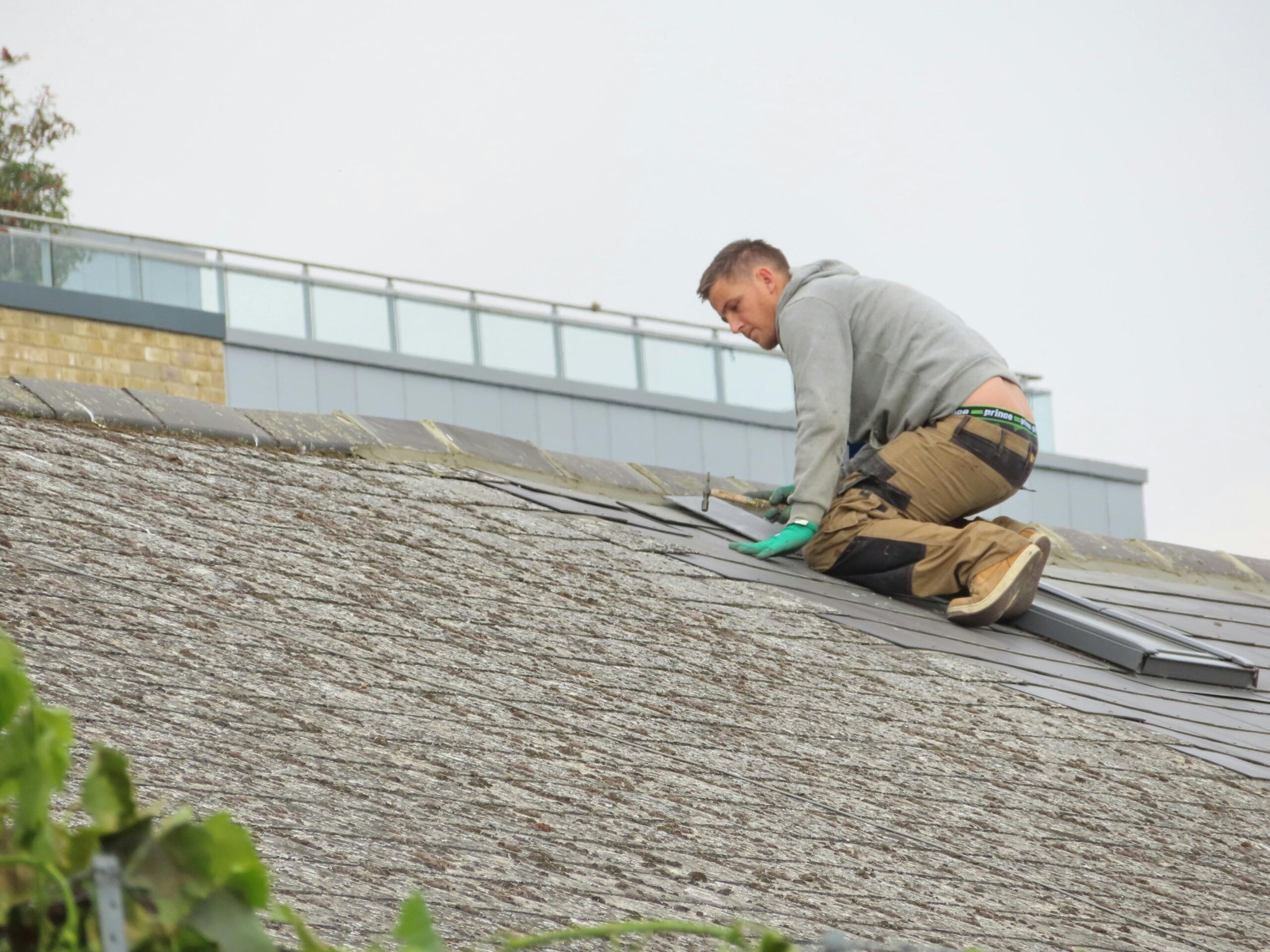
Monroe County homeowners face unique roofing challenges due to heavy spring rains, humid summers, and freezing winters. The best way to protect your home is through regular inspections and choosing materials rated for high wind and moisture resistance. Taking proactive steps now prevents costly structural leaks and extends the life of your roofing system.
How Does Humidity Affect Roofs in Monroe County?
High humidity levels in the Midwest often lead to moisture being trapped in the attic space if ventilation is poor. This causes the wood under your shingles to rot or warp over time. When the air is thick with moisture, shingles can also develop black streaks, which are actually algae that feed on the limestone filler in the roofing material.
To fight this, homeowners should check their soffit vents. Many people accidentally block these vents with insulation. Clearing them allows fresh air to flow, which dries out the underside of the roof deck. Without this airflow, your roof stays damp, shortening its lifespan by several years.
The Impact of the Freeze-Thaw Cycle
During the winter months in Monroe County, temperatures often jump above and below freezing within the same 24-hour period. This cycle is brutal on roofing materials. Water seeps into small cracks in shingles or gaps in flashing during the day, then expands as it turns to ice at night.
This expansion makes small cracks much larger very quickly. It is the leading cause of ice damming, where ice builds up at the edge of the roof and prevents melting snow from draining. That trapped water has nowhere to go but under your shingles and into your ceiling. Using an ice and water shield membrane during installation is a specific fix that handles this local weather pattern.
Why Wind Uplift Is a Silent Killer
Strong winds across the Illinois plains can catch the edges of older or poorly installed shingles. This creates a peeling effect known as wind uplift. Even if the shingles don’t fly off, the wind can break the sealant strip that holds them down. Once that seal is broken, the shingle is no longer waterproof.
Homeowners should look for shingles with a high wind-speed rating, specifically those tested to withstand 110-130 mph gusts. After a heavy storm, use binoculars to look at your roof from the ground. If you see any shingles that look slightly lifted or tabbed up, the seal is likely gone, and the next rain will find its way inside.
Dealing with Spring Hail Damage
Spring in Monroe County often brings hail that can range from pea-sized to golf-ball-sized. While large hail causes obvious dents, small hail is often more dangerous because the damage is subtle. It knocks the protective granules off the shingles, exposing the asphalt mat to the sun’s UV rays.
Once these granules are gone, the sun cooks the asphalt, making it brittle and prone to cracking within just a few months. If you notice a lot of sand-like grit in your gutters after a storm, your shingles have lost their protective layer. You should act quickly to seal those spots before the summer heat arrives.
The Role of UV Exposure in Summer
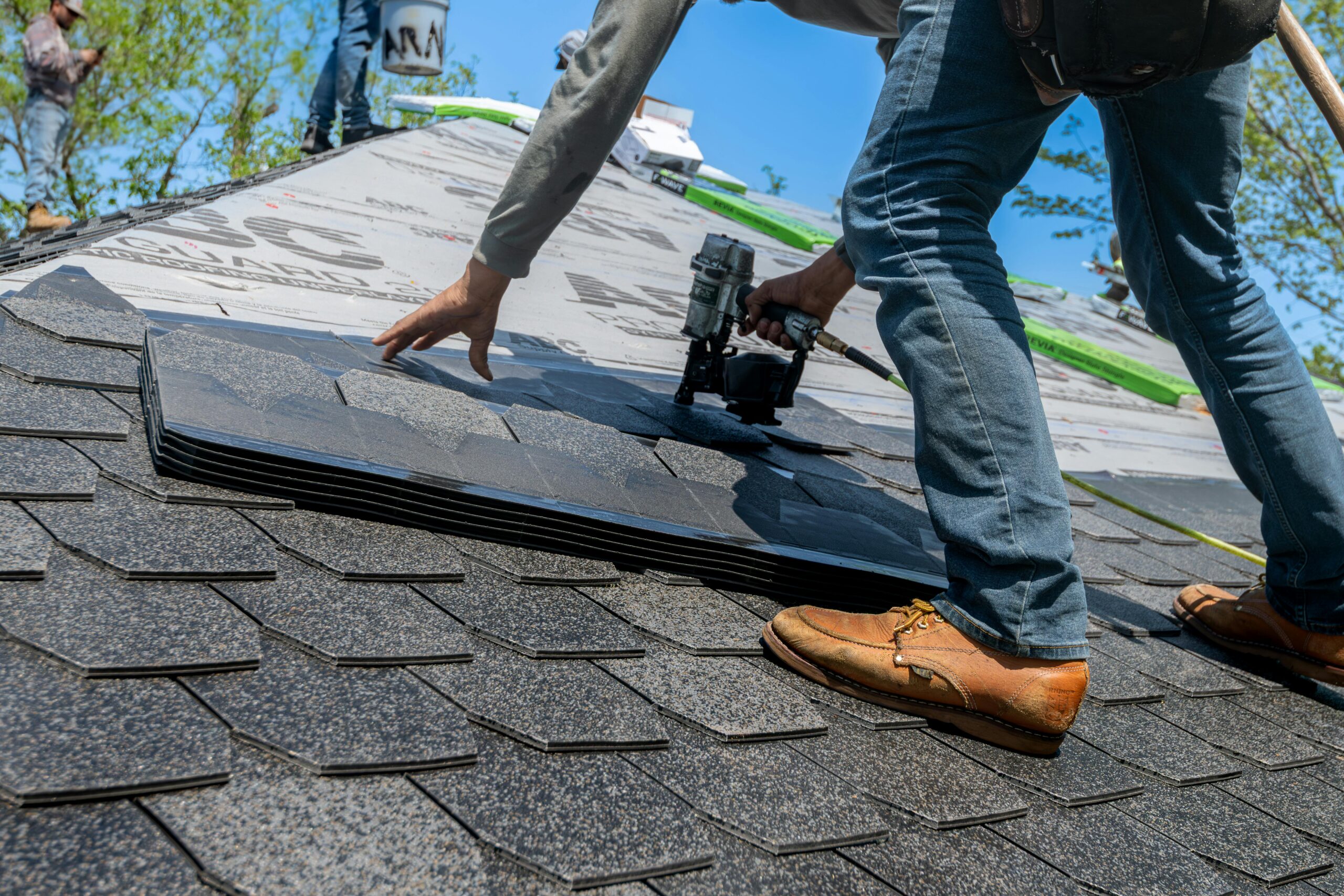
While we often worry about storms, the constant sun in July and August does significant damage. UV rays break down the chemical bonds in roofing materials, leading to thermal shock. This happens when a roof goes from 150 degrees in the sun to 70 degrees during a sudden afternoon rain.
The rapid cooling causes the materials to contract quickly. Over time, this makes shingles brittle and prone to snapping. Choosing lighter-colored cool roof shingles can help reflect some of this heat, keeping the material more stable and lowering your cooling bills at the same time.
Why Gutter Health Matters for Your Roof
Gutters are the primary defense against water backing up into the roof structure. In Monroe County, falling leaves and debris can quickly clog systems, leading to standing water. When water sits in a gutter, it rots the fascia board—the wood that holds the gutter to the house.
Once the fascia rots, water can travel upward into the roof rafter tails. This creates a hidden rot problem that most people don’t find until they need a total roof replacement. Cleaning your gutters twice a year is the simplest way to ensure that Monroe County’s heavy rains stay outside where they belong.
Are Your Flashings Secure?
Flashing is the thin metal used around chimneys, vents, and valleys. In our region, the constant expansion and contraction of the house can pull this metal away from the walls. Most leaks don’t happen in the middle of the roof; they happen at these joints.
Check the caulk around your chimney. If it looks dry or cracked, it needs to be scraped away and replaced with a high-grade outdoor sealant. Small gaps here can let in gallons of water during a typical Illinois thunderstorm.
Choosing the Right Materials for the Midwest
When it is time for a new roof, don’t just pick the cheapest option. Look for impact-resistant (Class 4) shingles. These are designed to handle the hail and debris common in our area. They might cost more upfront, but many insurance companies offer discounts for using them because they are much harder to damage.
Also, consider synthetic underlayment instead of traditional felt paper. Synthetic materials are much tougher and don’t tear or absorb water. This provides an extra layer of protection if a shingle does blow off during a storm.
Common Signs of Hidden Damage
You don’t always need to get on a ladder to see if there is a problem. Inside your home, look for small brown spots on the ceiling or peeling paint near the tops of walls. These are early warning signs of a slow leak.
Another sign is a sudden spike in your energy bills. If your roof is failing or the attic is poorly vented, your AC has to work much harder to keep the house cool. A healthy roof acts as an insulator, keeping your home’s temperature steady regardless of the weather outside.
When to Call a Professional
While DIY checks are great, a professional knows where to look for the problems you can’t see. An expert can check the integrity of the decking and ensure that the ventilation system is actually working. Regular professional checks every two to three years can save you thousands in the long run.
Frequently Asked Questions
How often should I inspect my roof in Monroe County?
You should do a visual check from the ground after every major storm and a more detailed inspection twice a year, usually in the spring and fall. This helps you catch small issues before the extreme summer heat or winter snow makes them worse.
Will my insurance cover roof damage from a storm?
Most homeowners’ insurance policies cover sudden and accidental damage, such as hail or wind. However, they usually do not cover damage caused by lack of maintenance or old age. It is important to document the condition of your roof regularly to make the claims process easier.
How long does a typical roof last in Illinois?
A standard asphalt shingle roof in our region usually lasts between 18 and 22 years. Factors like heavy snow, high humidity, and frequent storms can shorten this lifespan if the roof is not properly maintained and ventilated.
Can I just layer new shingles over my old ones?
While this is sometimes allowed by building codes, it is not recommended in Monroe County. A lay-over traps heat between the layers, which leads to faster shingle decay. It also adds significant weight, which can be dangerous during heavy snow loads in the winter.
If your property in St. Clair or Monroe County has been exposed to harsh weather, don’t wait for problems to get worse. Contact us at Shrum Roofing & Construction today for a free, no-obligation estimate and ensure your roof is ready for whatever comes next.